
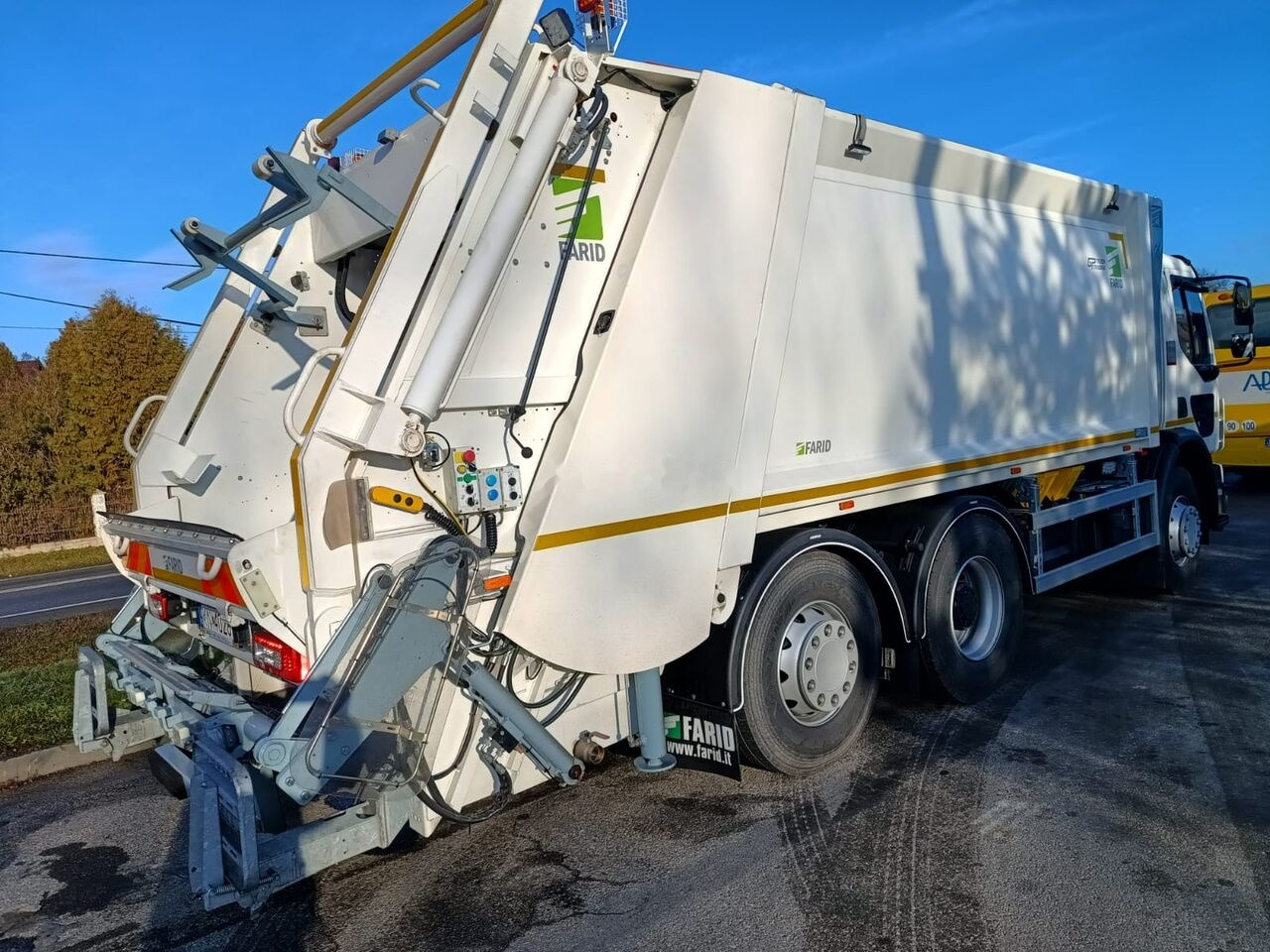
Efficient waste collection is crucial for maintaining clean communities and smooth business operations. Refuse trucks are specialized vehicles designed to collect, compact, and transport waste safely and efficiently. For municipalities, private contractors, and businesses, choosing the right refuse truck is a critical investment that affects both operational efficiency and long-term costs.
For those exploring options, the market offers a wide range of refuse trucks for sale. From brand-new models with advanced features to reliable used trucks, there are solutions for every budget and operational requirement. Understanding the types, features, and financing options available is key to making a well-informed purchase.
Importance of Refuse Trucks
Refuse trucks are more than just vehicles—they are a vital part of any waste management system. They allow waste to be collected quickly, compacted efficiently, and transported to disposal or recycling facilities. Without these trucks, garbage would accumulate, creating health hazards and environmental issues.
In addition, modern refuse trucks are designed to improve safety and efficiency. Features like automated arms, GPS tracking, and fuel-efficient engines help reduce labor costs, protect operators, and save on fuel.
Types of Refuse Trucks
Understanding the types of trucks available helps buyers select the right model for their needs:
- Rear Loaders – Traditional trucks where waste is loaded from the rear. Suitable for residential and small commercial routes.
- Front Loaders – Designed for commercial areas, these trucks lift dumpsters using hydraulic arms for fast collection.
- Side Loaders – Often automated, allowing a single operator to collect bins efficiently, ideal for residential areas.
- Roll-Off Trucks – Built for transporting large containers, often used in construction and industrial sites.
Each type has its advantages, depending on the collection environment and waste volume.
Features to Consider
When purchasing a refuse truck, focus on features that affect efficiency and durability:
- Compaction Capacity – A strong compaction system reduces trips and fuel consumption.
- Body Size – Ensure the truck can handle the waste volume of your routes.
- Durability – Reinforced steel bodies and reliable hydraulics extend the truck’s life.
- Fuel Options – Diesel, natural gas, and electric models are available.
- Technology – Automation, GPS, and safety features improve productivity and reduce labor requirements.
New vs. Used Trucks
A major decision for buyers is whether to purchase new or used trucks.
- New Trucks – Offer the latest features, lower maintenance in the first years, and full warranties. Ideal for long-term investment.
- Used Trucks – Cost-effective, especially for smaller businesses. Ensure thorough inspection of service history, mileage, and hydraulic systems before purchase.
Budget, route requirements, and operational goals will influence the right choice.
Buying from a Trusted Dealer
Purchasing from a reputable dealer ensures quality, reliability, and long-term support. Dealers provide inspection reports, financing options, and after-sales service. They can also supply spare parts and guidance, which is crucial for keeping the truck operational over many years.
Working with a trusted dealer minimizes risks and ensures you get the most value from your investment.
Financing Options
Refuse trucks are a significant investment, and financing options can make them more accessible:
- Leasing – Lower upfront costs and the ability to upgrade to newer models periodically.
- Loans – Spread payments over time while gaining full ownership.
- Fleet Financing – Suitable for companies purchasing multiple trucks simultaneously.
Financing allows buyers to manage budgets effectively without compromising on quality.
Long-Term Benefits
Choosing the right refuse truck brings multiple advantages:
- Operational Efficiency – Fewer trips and faster collection.
- Reduced Costs – Fuel savings, fewer repairs, and lower labor expenses.
- Worker Safety – Automated features and modern designs protect operators.
- Community Trust – Reliable service enhances reputation and satisfaction.
- Environmental Benefits – Fuel-efficient or electric trucks reduce emissions.
The right purchase ensures smooth operations, cost savings, and community satisfaction.
Conclusion
With a growing number of refuse trucks for sale, buyers have more choices than ever before. Understanding the different types, evaluating key features, and considering new versus used options is critical to making the right decision.
Partnering with a trusted dealer and exploring financing solutions ensures long-term value. A well-chosen refuse truck not only improves efficiency and reduces costs but also contributes to cleaner, healthier communities and safer work environments.